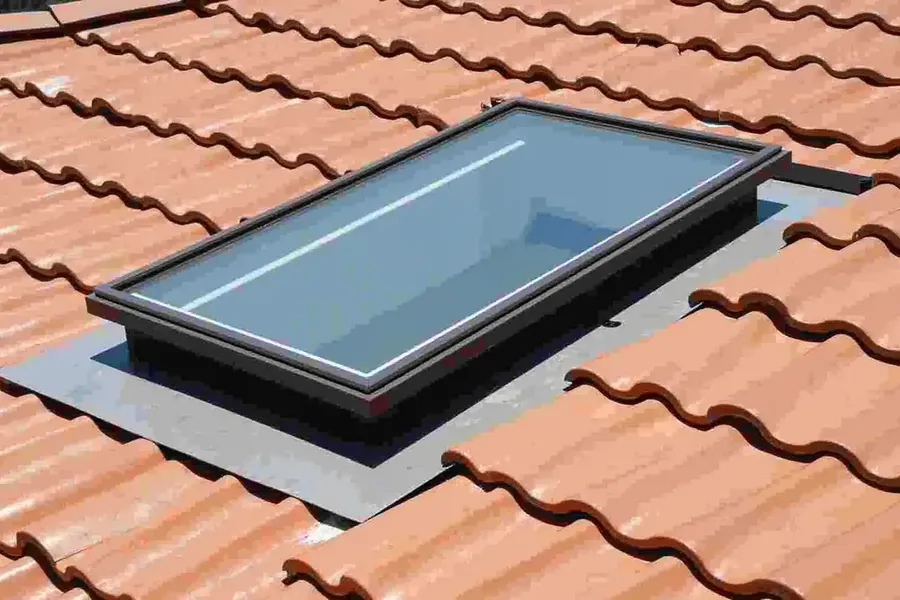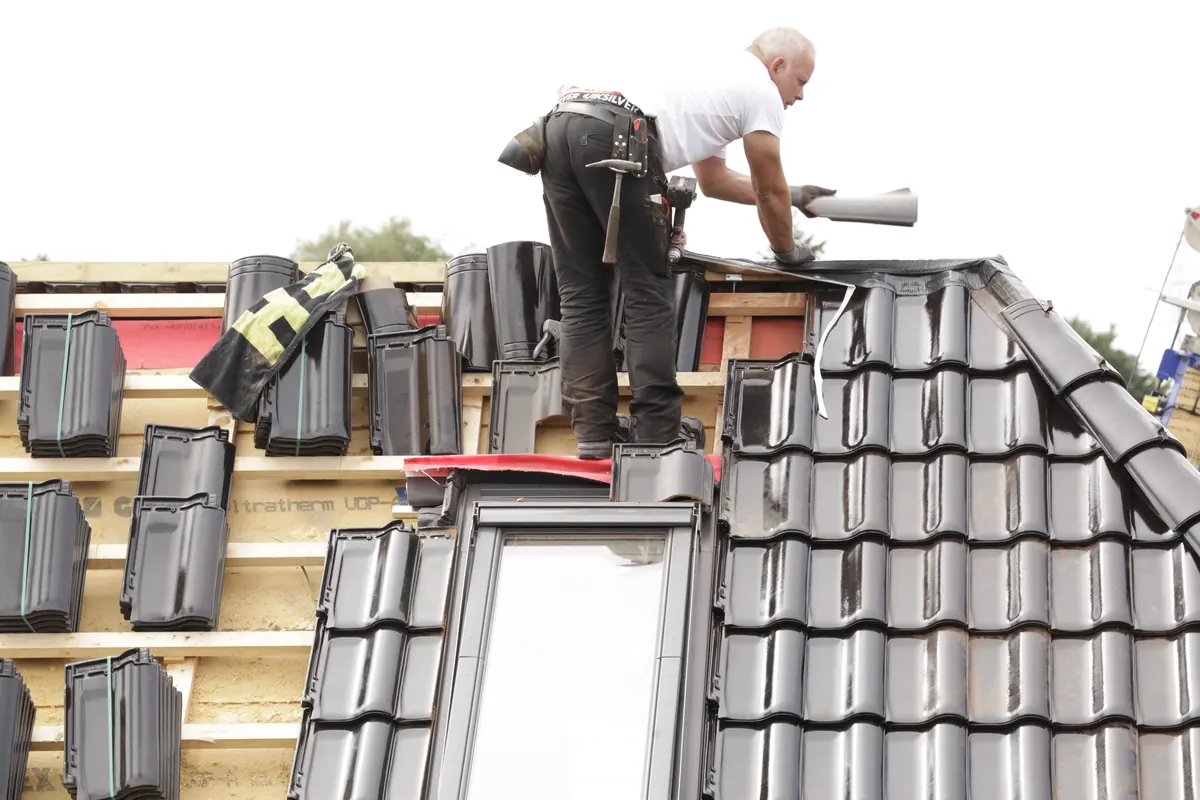
Roof Leak Repair in Downtown, Riverside, CA
We do roof leak repair in Downtown, Riverside, CA: we locate the joint where rain gets past the roofing, then rebuild that joint.
Ceiling stains and the opening in the roof are seldom in line. Water runs along a rafter or across the top of the ceiling before it drops, so we start above the stain and work uphill.
Call (951) 433-4486 the moment the drip starts, whatever the hour: our roofing team answers 24 hours a day, 7 days a week; emergency calls answered around the clock. Most of Riverside’s rain falls in December through February (NOAA normals), and a chimney joint that let in a cupful during the first storm lets in more with every storm after it.
Who does roof leak repair in Downtown, Riverside?
Our roofing team does, from the first look in your attic to the last tile or shingle laid back over the new flashing.
We have repaired roofs for more than 10 years and have more than 500 roofing jobs behind us. A Downtown leak repair from us can include:
- chimney flashing: the step pieces on each side, the apron across the front and the back pan or cricket behind
- wall flashing where a porch or rear addition roof runs into a taller wall
- pipe boots and roof vents with split collars or nails that have backed out
- valley metal and the roofing cut along each side of it
- underlayment gone brittle or torn under a slipped tile or a lifted shingle
- soft deck boards under the entry point, cut out only once you have seen the photos
When water is coming through faster than a bucket can catch it, tarping the roof is covered on our Downtown emergency roof repair page.

Roof leaks at chimney, wall and valley flashing
On an older roof most leaks start at the metal: around a chimney, along a wall, or down a valley, rarely in open roofing.
- Chimney flashing. Your chimney brick and the roof framing move at different rates. With mortar weathering year by year, the counter flashing tucked into its joints works loose and rain runs down the brick behind the step pieces. We grind a fresh slot in the mortar, set new counter flashing into it, and renew the step pieces below, one course at a time.
- Wall flashing. Where a low roof meets a wall, each course of roofing needs its own step piece tucked behind the siding or stucco. One long strip, or a bead of caulk, leaks at the first gap.
- Valleys. Two slopes pour into one channel, leaves collect, drainage slows, water backs up under the roofing edge, and the nails nearest the center start to drip. Corrosion pinholes the old metal from the top down. We relay the valley on new metal and keep fasteners clear of the flow line.
- Metal roofing. On a metal roof the usual cause is a loose screw, a cracked rubber washer or an open lap beside the chimney. New screws with new washers and a rebuilt chimney pan stop it.
Under each of these sits the underlayment, the felt or synthetic sheet that is the roof’s second layer of defense. Worn flashing lets water reach it first, so every flashing repair comes with an underlayment repair: we patch it wider than the damage and lap it so water still runs downhill over every seam.
Tracing a roof leak from attic to roof
We trace from both sides: the attic or ceiling below and the roof above, until one wet mark lines up with one opening.
Downtown’s streets were laid out in 1870, before cars, and the City’s At Home in Riverside page on Downtown calls the neighborhood historic and walkable. For leak tracing, tell us where a truck can stop, because it may be down the block.
- What you saw. Which room, which storm, and how soon after the rain began the drip showed up. A drip within minutes means a short path; a slow one has crossed framing first.
- Attic inspection. In the attic or crawl space we follow the darkest stain on the wood uphill to its top edge, checking nail tips for rust on the way.
- On the roof. Above that point we lift flashing edges, press each boot and read the shingles or tiles by hand.
- Water test. If nothing shows, one of us wets the roof low down, then higher, a section at a time, while the other watches inside.
A trace runs an hour or two, depending on the work. If the roof stays dry under the hose and the drip carries on in dry weather, the source is likely a supply pipe or an air-conditioner condensate line, and we tell you which trade to call.
Roof leak repair permits in Downtown
The City of Riverside sets the line in writing, and it is drawn at the wood: sheathing, rotted decking and the rafters.
The City of Riverside’s asphalt shingle re-roof handout draws the line:
“A re-roofing permit is required when replacing sheathing or when new sheathing is to be installed on the roof (such as solid sheathing over spaced sheathing). A permit is required when dry rot repairs reach 32 sq. ft. or more of replaced decking, or any alteration or repairs occurs to the rafters, rafter tails or any structural members except a fascia board.”
For a smaller repair, we ask City of Riverside Building and Safety before we start rather than guess.
A permit for your house comes from City of Riverside Building and Safety. If the rot we find crosses the handout’s line, the permit is part of the job’s cost.
Roof leak repair cost in Downtown, Riverside
Around Riverside, a roof leak repair runs $400 to $1,200.
Leak detection on its own, finding where the water gets in, runs $200 to $500. Those are local market ranges. What you pay for the trace is credited to the repair when you go ahead. Five things set where a Downtown job lands:
- Access. How far the ladders are carried to the roof.
- Pitch and complexity. A steep slope, or one broken up by dormers and turrets, needs roof jacks and a tie-off line, and every extra seam near the leak is another one to open.
- Material and grade. An older clay tile profile or a discontinued shingle color takes longer to source than stock 3-tab.
- Flashing and valleys. Reflashing a chimney means lifting the courses on all four sides and relaying them.
- Underlayment type. A short felt patch is quick; a run of self-adhered membrane down a valley takes longer.
Two Downtown quotes with far-apart pricing usually cover two different jobs: one rebuilds the chimney flashing, the other runs caulk around it. Ask each roofer to name the failed part and show its photo. For a first figure before anyone climbs up, try our roof repair cost estimator.
Roof repair redo when a roof patch fails
A leak that returns after a repair nearly always means the first visit sealed over the opening instead of rebuilding it.
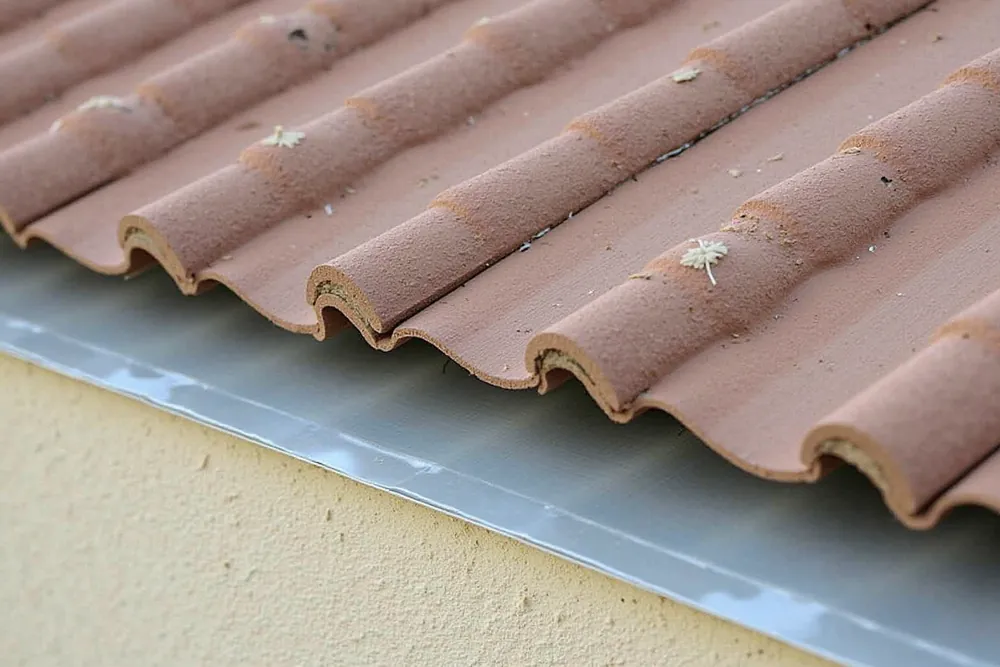
Roofing cement spread along a stucco wall or around a chimney is the usual suspect. It holds for a season, shrinks away from the metal, and the next storm follows the old path in. We scrape the patch off, lift the roofing beside the joint, fit new step and counter flashing, and turn the bottom piece out so runoff turns away from the stucco.
On a house that is a City landmark or stands in one of Downtown’s historic districts, we keep new metal low and plain and set aside every tile or trim board we lift so it goes back in its own place. If a previous roofer’s patch failed, the photos show you what was done and what we would do differently. Warranty terms depend on the work, and we write them into your quote.
Roof leak repair without replacing the roof
Most can be repaired without replacing the roof: a leak on an older Downtown house is usually one failed joint in an otherwise sound roof.
The City’s At Home in Riverside page on Downtown lists Spanish Colonial Revival, Mission Revival, California Bungalow and Beaux Arts among the neighborhood’s building styles, and counts more than a dozen sites on the National Register of Historic Places and more than thirty City-designated landmarks. Where your house has a parapet wall, the leak often enters at the parapet cap or where the wall meets the low roof behind it, not through the roof field. Hidden leaks there can run for a whole season before the water damage reaches a room you use.
Where your house has wide eaves, rot tends to show first at the eave boards under a slipped tile or a curled shingle. Either way the fix is local: the failed joint is rebuilt, the soft boards under it replaced, and the rest of the roof left alone. When every slope is worn through, we say so in writing, and roof replacement in Downtown is the better use of your money.
Roof leak repair in Downtown, near City Hall
We repair roof leaks on every Downtown street, and a nearby landmark or cross street is all we need to find your house.
The City keeps the Downtown Specific Plan, 22 chapters long, with districts such as Raincross and the Mission Inn Historic District overlay inside it. A matching flashing or tile repair changes nothing a passer-by would see. Where a repair would alter what the roof looks like from the street, we check with the City first whether the plan or a landmark listing reaches that work.
Downtown covers 3.10 square miles on the City of Riverside’s neighborhood map, with Wood Streets, Eastside, Northside and Grand around it.
It is also where Riverside governs from: the City’s Downtown page places City Hall, the Main Library, Riverside City College and the County Administrative Center here. Naming the nearest of them, or your cross street, helps our roofing team find a house on a busy block.
Roof leak repair questions in Downtown
Can you repair a leaking roof from the inside?
Only the trace happens inside: we read the stain from the attic, but the repair is made on the roof, where the water enters.
Sealant brushed onto the underside of the deck keeps the water up on the wood, where it rots the boards out of sight.
What is the most common location to find a roof leak?
Flashing: at a chimney, along a wall, around a pipe boot or down a valley, far more often than through open roofing.
On a Downtown house with a chimney, that joint is the first place we check, then the wall joints where an addition was added later.
What is the best way to fix a leaking roof without replacing it?
Rebuild the one failed joint with new metal and underlayment, and replace only the deck boards the water has softened.
That keeps the sound roof in service and puts the money into the part that let the water in.
Your roof leak repair estimate in Downtown
Call (951) 433-4486, give us the street and the room with the drip, and we book the trace.
Tell us too what the weather was doing when it started. We photograph the opening and price the repair. Whether your house is a listed landmark or a plain bungalow on the grid, you get a written estimate before any work starts, and you decide whether to go ahead. It sets out:
- the cause, with its photo
- each part we replace, and what it is made of
- how soft decking would be handled, agreed before any cutting
- whether the City needs a permit
- the price and the workmanship warranty terms
The repair itself takes a day or less, depending on the work. Two state rules guard the paperwork: A home improvement job over $500 needs a written contract. In California, the down payment on a home improvement contract can’t be more than $1,000 or 10 percent of the contract price, whichever is less. The Contractors State License Board (CSLB) page on home improvement contracts sets both out.
Before you sign with any roofer, ours included, look the license up on the CSLB’s Check a License page.
Other roof jobs on your Downtown house have their own pages: Downtown roof repair for storm-lifted shingles, tile roof repair in Downtown for cracked tile, flat roof repair for Downtown homes for a porch or parapet roof, and a Downtown roof inspection for a written check of every slope. How we trace leaks across the city is on our Riverside roof leak repair page. We also repair leaks in Wood Streets, Eastside, Northside and Grand.